


Bringing sight to chemical sustainability and circularity with Chem-X


Demand for robust sustainability information is accelerating across the chemical sector and the industries it serves. Intensifying customer expectations coupled with emerging regulatory requirements are giving rise to new requests for more consistent, comprehensive product circularity and sustainability information.
For example, the Ecodesign for Sustainable Products Regulation (ESPR), the Construction Products Regulation (CPR) and other legislations and frameworks are introducing Digital Product Passports (DPPs) – structured digital records containing sustainability and circularity data for regulated end products.
As these expectations increase, the industry needs a consistent and scalable way to generate and exchange reliable sustainability information across value chains – and this is where Chem‑X comes in.
The starting point of Chem-X
Chem-X is transforming the chemical industry with cutting-edge digital standards and solutions. Conceived by 15 chemical, digital and data-space organisations – including Together for Sustainability (TfS) – the consortium is setting a new benchmark for methodology and process descriptions, providing transparency of data and increasing efficiency. By addressing gaps in current methodologies, reporting and data exchange, Chem-X aims to harmonise how sustainability, circularity and other chemical material data are defined, assessed and digitally exchanged.
At the heart of Chem-X’s approach are Digital Material Passports (DMPs). Much like DPPs, DMPs are structured digital records for sustainability, circularity and other material information for chemicals that are typically used as ingredients or intermediates in many industries and product applications. The DMP leads not only to higher regulatory compliance with a lower effort but also helps in the selection of more sustainable materials, while enabling more robust circular business models.
“With Chem-X, a significant cross-section of the global chemical sector is joining forces to define a common language for environmental sustainability, circularity and material declaration metrics for chemical materials. With this, we not only enable downstream sectors to create DPPs with meaningful data, but also open multiple future use cases that require this kind of structured data.”
Alessandro Pistillo, Co-Chair of Work Stream “Scope 3 GHG emissions, Sustainability, Circularity”, Work Package “Circularity Guidelines”
Setting the foundations
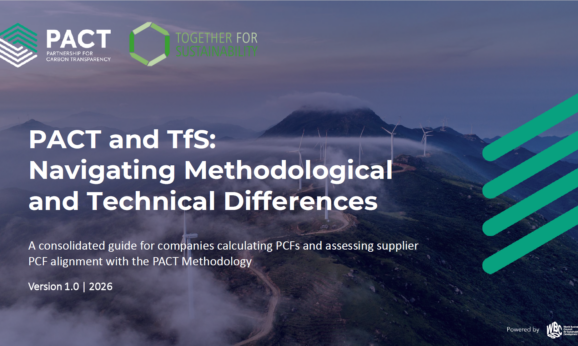
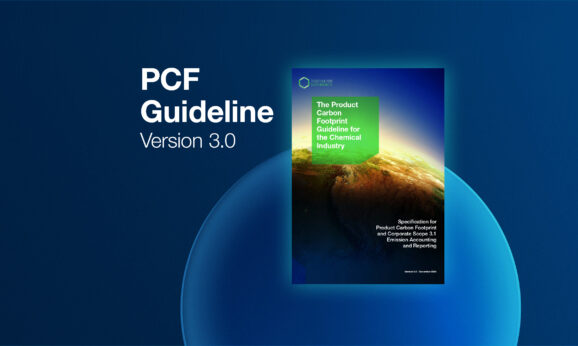
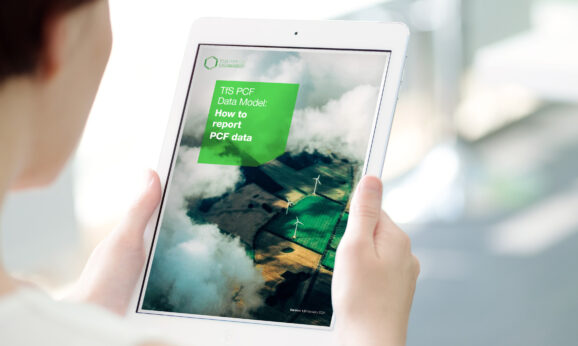
As an associate partner, TfS is a key content provider for Chem-X. Taking the lead on developing harmonised DMP guidelines, we’re drawing on our long-standing experience to develop common sustainability methodologies for the chemical industry. This includes incorporating insights from the Product Carbon Footprint (PCF) Guideline and the scalable digital exchange of PCFs, as part of our wider Scope 3 GHG emissions programme.
In January 2026, following public consultation, TfS and Chem-X published the first versions of the methodologies that will underpin the DMP: Circularity Guideline for the Chemical Industry and the Environmental Sustainability Guideline for the Chemical Industry. It’s a valuable step forward and, with both fully aligned to the PCF Guideline v3.0 and PCF Data Model v3.1, it helps drive real interoperability and consistency across sustainability initiatives.
“Drawing on the expertise of TfS members, an Environmental Sustainability Guideline was developed to expand the scope of the PCF Guideline 3.0. This new sector-specific guideline for the chemical industry incorporates additional sustainability impact categories – such as Water Scarcity, Resource Use (Fossil), Acidification Potential and Ozone Depletion Potential – providing a dedicated chemical products sustainability assessment framework. This guideline provides crucial support in developing the sustainability indicators required for the DPP and serves as an important source of information for more sustainable development across industries that use chemicals.”
Peter Saling, Co-Chair of Work Stream “Scope 3 GHG emissions, Sustainability, Circularity”, Work Package “Sustainability Guidelines”
A common platform for progress
The DMP will bring more than just technical alignment to the chemical sector. By establishing a unified set of definitions and reporting expectations, the Chem-X consortium is tackling the inefficiencies of duplicate data requests and conflicting formats.
With this methodological framework for environmental sustainability and circularity underpinning the DMP, downstream manufacturers can rest assured they’re working with reliable data when preparing for DPP requirements. This information also supports companies’ strategic sustainability decision making. The result is a more coherent approach to sustainability data, supporting smoother communication between suppliers and customers and enabling more credible reporting on sustainability and circularity indicators, such as recycled or renewable content.
Looking to the future
Chem-X is setting the foundation for greater transparency at the product level by enabling more consistent, complete sustainability and circularity information at the chemical material level. And the journey is just beginning. TfS and Chem-X will continue to expand and refine the guidelines throughout 2026, releasing new versions with additional impact categories and assessment approaches and publishing a data information model to support them.
Continuous stakeholder engagement is the key to the initiative’s success. Additional public consultation rounds will invite TfS members and other stakeholders to help shape the future of sustainability and circularity assessment of chemical products for DMPs – reviewing, testing and, ultimately, adopting the guidelines. Early engagement is vital to ensuring the sustainability and circularity assessment methods are practical and scalable but, more than that, it is an opportunity for companies to get ahead of evolving regulations by proactively preparing for DPP requirements, by means of establishing a chemical products DMP, as well as other business use cases for product sustainability data.
To find out more visit: https://www.tfs-initiative.com/how-we-do-it/sustainability-circularity-chemistry-dmp